About Orthodontics
Orthodontics is a branch of dentistry that focuses on the prevention, diagnosis, and treatment of dental and facial bone irregularities using orthodontic appliances.
A Healthy Smile Is a Beautiful Smile
Not everyone is naturally blessed with perfectly aligned teeth, and in such cases, orthodontic treatment can help. The recommendation of braces by an orthodontist is aimed at correcting crooked or crowded teeth. The appliance applies continuous pressure on the teeth, gradually guiding them into the desired position.
As a result, improving the appearance of your smile also enhances your ability to clean your teeth, prevents excessive wear, and ultimately increases the longevity of your dentition.
It is important to remember that wearing braces primarily addresses functional needs, and only secondarily aesthetic ones. An orthodontist is concerned not only with the functionality and beauty of your smile, but also with the overall harmony of your facial features. Therefore, your treatment plan is unique and fully personalized for you.
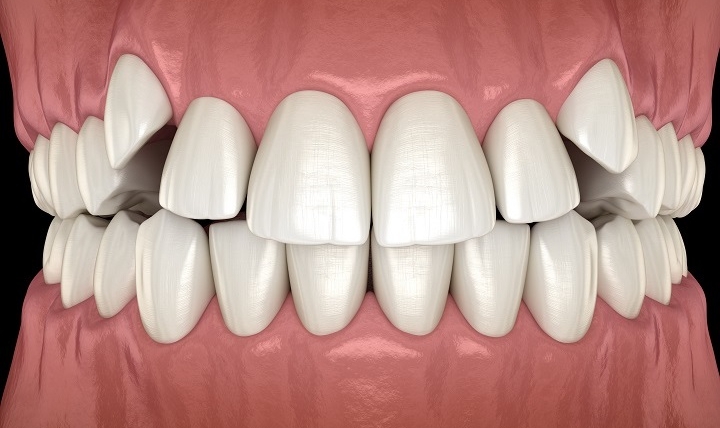
Types of orthodontic conditions that can be treated with braces:
-
-
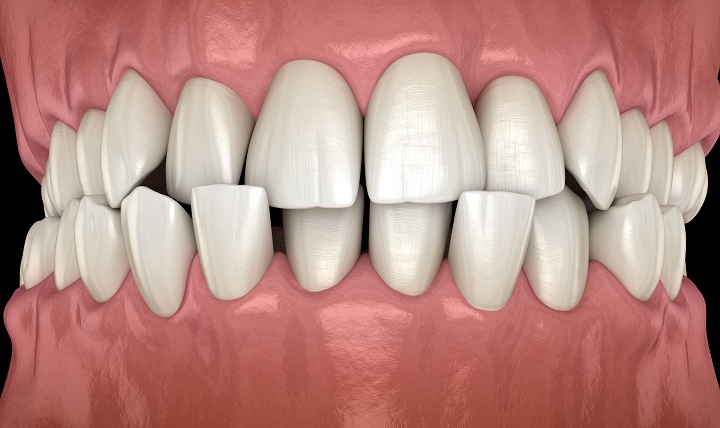
Crowded teeth
-
Rotated teeth (twisted around their axis)
-
Teeth with excessive spacing
-
Diastema (gap between the two front teeth)
-
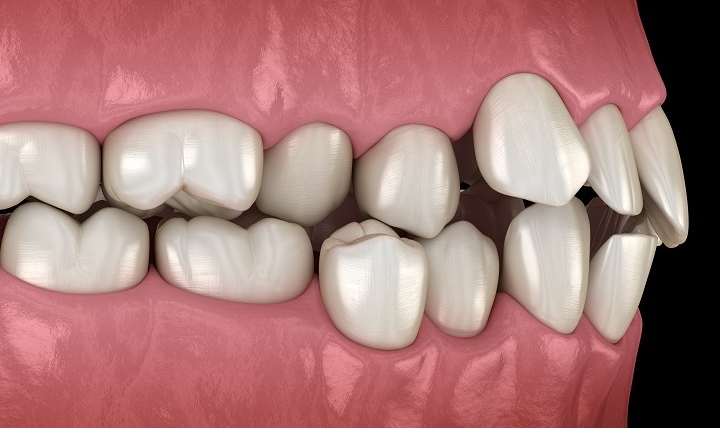
Malocclusion – improper alignment of teeth when biting
-
Teeth positioned too far forward or too far backward compared to their normal position
-
Technologies used in braces treatment
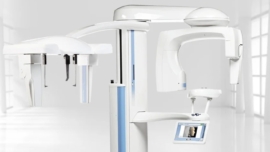
3D tomography (CBCT) provides detailed images of the teeth, roots, and bone structures, allowing the orthodontist to accurately analyze the position of impacted teeth, the relationship between dental arches, and the available space. This enables precise, personalized, and more efficient orthodontic treatment planning, reducing risks and ensuring predictable results.
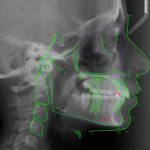
Teleradiography is essential in orthodontics. With the help of the cephalometric unit integrated into the Planmeca ProMax® 3D Classic system, we obtain highly accurate images for analyzing the position of the jaws and teeth.
This allows for an accurate diagnosis, evaluation of the facial profile, treatment planning, and monitoring of progress, ensuring personalized and effective results.
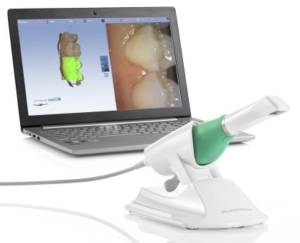
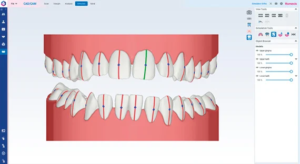
The Planmeca Emerald intraoral scanner performs a fast scan of the oral cavity, generating a 3D model of the dentition, which is used for precise orthodontic treatment planning and monitoring its progress.
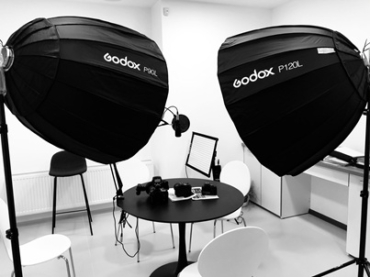
The photo protocol camera at Sanodent Clinique allows for standardized photographs of the smile and face, which are essential in orthodontic treatment. These images are taken both before and after treatment, helping the doctor analyze dental aesthetics, plan accurately, and track progress, ensuring precise and harmonious results.
Types of Orthodontic Appliances
Depending on how they are worn, there are two main types of orthodontic appliances: removable and fixed.
Removable appliances are mainly used for children, starting from the age of 8. The success of the treatment largely depends on the child’s cooperation and the parents’ perseverance. From the age of 12, fixed appliances can be used.
Regardless of the type of orthodontic appliance chosen, the orthodontist at Sanodent Clinique will help you make the best decision, taking into account all your personal factors.
Removable Orthodontic Appliances
Invisalign® – The Most Advanced Teeth Straightening Treatment
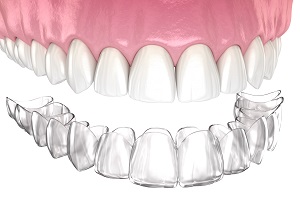
Thanks to its comfort, removability, and lack of dietary restrictions, the Invisalign® system has become the choice of over 8 million people worldwide.
With more than 20 years of scientific research, approximately 900 patents, and a unique scale of 3D printing technology in global orthodontics, Invisalign® has provided undeniable clinical results through the treatment of millions of smiles.
As an invisible alternative to traditional braces, Invisalign® is one of the most modern teeth straightening solutions. Its most remarkable feature is the transparent aligner system, which corrects alignment issues while remaining almost unnoticeable.
What is an aligner?
An aligner is a thin, transparent, slightly flexible tray that fits over the teeth, even when they are misaligned. It is removed only when eating, brushing your teeth, or during important meetings or public speaking.
Aligners are made from SmartTrack® material, used exclusively for Invisalign®, ensuring comfort and precision. The Invisalign® system is advanced enough to help track whether you are wearing your aligners for the recommended time.
Benefits of Invisalign®:
-
Highly effective treatment that can last as little as 6 months
-
100% customized aligners for increased comfort and gum protection
-
Simple treatment, but requires discipline
-
Patients need to wear aligners 22 hours per day
-
Easy to remove and nearly invisible
How does the Invisalign® treatment process work?
-
The doctor takes a digital impression using an intraoral scanner
-
The impression is sent to the specialized Invisalign® laboratory in the USA, where a set of custom transparent aligners is created using 3D printing technology
-
Once you receive your aligners, treatment can begin immediately
-
Aligners are changed approximately every 2 weeks, depending on progress
Fixed Orthodontic Appliances
Invisible Lingual Braces – INCOGNITO
-
Recommended for patients over 12 years old
-
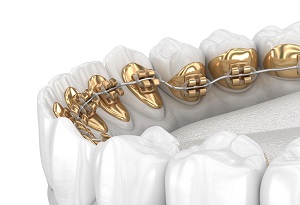
Brackets are attached to the inner side of the teeth
-
The metal structure is invisible
-
Check-ups are required every 4 weeks
-
Shorter overall treatment duration
-
-
Introduced in 2002, INCOGNITO braces are placed on the inner surface of the teeth and are created based on digital impressions. The brackets are made of gold and represent one of the most popular lingual systems in the USA and Europe.
Invisible, 100% customized, and delivering fast results, INCOGNITO braces transform your smile without others noticing you are wearing them.
Digitally manufactured using advanced technology, the brackets are fully customized to maximize comfort and treatment outcomes.
In the first days after placement, most patients experience minimal discomfort, but shortly after, speaking and eating return to normal.
INCOGNITO braces can only be applied by orthodontic specialists certified in lingual orthodontics.
Bracket-urile sunt prefabricate și standardizate
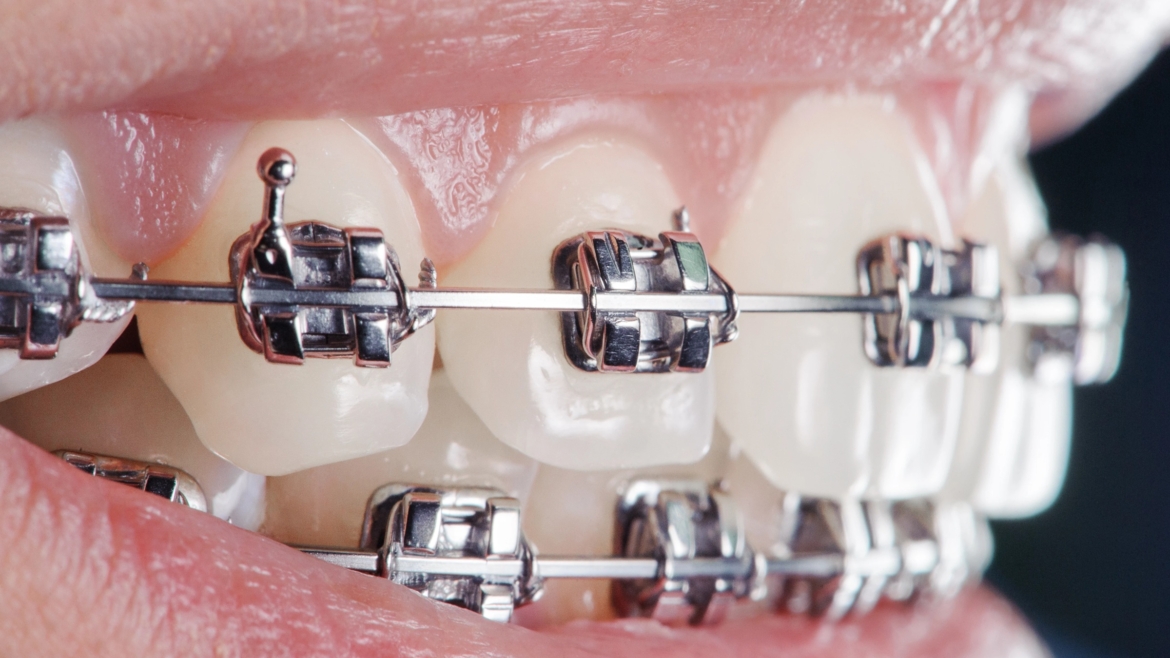
Metal Braces
-
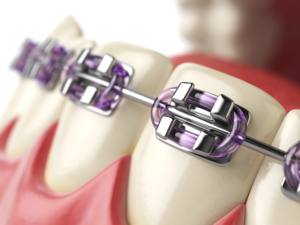
Prefabricated and standardized brackets
-
Attached to the outer surface of the teeth
-
Suitable for all types of bite
-
Check-ups required every 6 weeks
-
Longer treatment duration
-
Lower cost
As the first type of orthodontic appliance used in treatment, metal braces remain the most popular option due to their affordability and effectiveness. On average, they are worn for 12–24 months, continuously.
Benefits of metal braces:
-
The most effective solution, with durable and reliable results, even for severe orthodontic cases
-
The most affordable option compared to other systems (INCOGNITO, ceramic, sapphire, Invisalign®)
-
Suitable for all age groups, both children and adults
-
Smaller brackets compared to other fixed appliances
-
Highly durable
-
Colorful ligatures are especially popular among children
Disadvantages of metal braces:
-
Require an adaptation period, with mild discomfort during the first 2–3 weeks
-
Less aesthetic due to visible brackets
-
Hard or sticky foods should be avoided to prevent bracket detachment
-
Require enhanced oral hygiene (brushing after every meal, interdental brushes, floss, and mouthwash)
Ceramic Braces
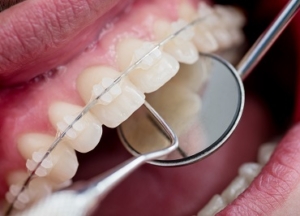
Ceramic braces are similar to metal braces but offer a much higher aesthetic appeal, as the brackets match the natural tooth color.
Advantages of ceramic braces:
-
Tooth-colored brackets for improved aesthetics
-
Functional and aesthetic results similar to metal braces
-
Easy to wear, with relatively quick adaptation
-
Suitable for both adults and teenagers with permanent teeth
-
Resistant to staining from food
-
Can be used in complex orthodontic cases
Sapphire Braces
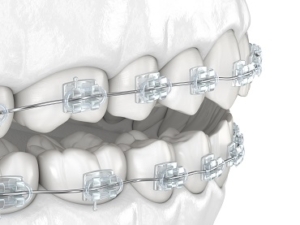
Sapphire braces use transparent brackets made of sapphire and are attached to the outer surface of the teeth. Due to their transparency, they are almost invisible.
Advantages of sapphire braces:
-
Discreet and nearly invisible when worn
-
Do not absorb pigments from food, maintaining their clarity
-
Comfortable, thanks to their smooth material
-
Offer a good balance between aesthetics and cost
-
Questions & Answers:
How much does orthodontic treatment with braces cost?
The treatment plan will include the full cost of orthodontic treatment and will be presented by the orthodontist, who will explain all stages of the treatment in detail.
The cost of orthodontic treatment depends on several factors, including:
-
Duration of the treatment
-
Type of braces chosen: traditional braces, invisible (lingual) braces, or clear aligner systems
-
Frequency of check-ups and professional dental hygiene sessions required for patients wearing braces
-
Accessories used for customization (colored elastics) and components that need to be replaced due to mechanical adjustments (wires, etc.)
How should we maintain daily oral hygiene while wearing fixed braces?
Wearing fixed braces, whether visible or invisible, requires increased attention to daily oral hygiene. It is recommended to use a toothbrush with longer bristles and fluoride toothpaste.
To properly clean the spaces between teeth and around the brackets, an interdental brush and dental floss should be used. Additionally, every 3–4 months, depending on the orthodontist’s recommendation, the patient should return to the clinic for professional dental cleaning.